Crypto regulation is back on the Capitol Hill agenda.
According to Coincu, the U.S. Senate is once again turning its attention to Bitcoin and digital asset policy, as lawmakers push for a framework that strengthens consumer protection without stifling innovation.
The renewed focus comes amid growing institutional adoption, ETF expansion, and political attention ahead of the 2026 elections.
Senate Prepares New Bitcoin Oversight Measures
Lawmakers from both parties are reportedly working on updated regulatory guidelines for Bitcoin and other cryptocurrencies — with emphasis on:
- Tax clarity for individuals and institutions
- Consumer protection against exchange risks and scams
- Stablecoin transparency and audit requirements
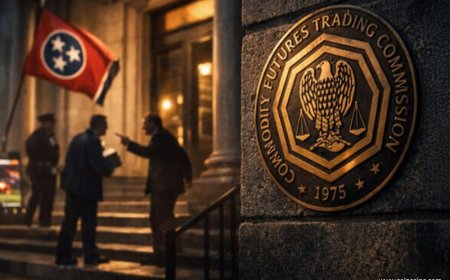
- Cross-agency coordination between the SEC, CFTC, and Treasury
“The goal is to create guardrails that protect without choking innovation,” one Senate aide told Coincu.
The renewed interest signals that crypto is no longer a fringe policy issue — it’s becoming part of the mainstream financial agenda in Washington.
Bitcoin’s Institutional Influence Grows
The Senate’s renewed push coincides with record inflows into Bitcoin ETFs and institutional funds, reinforcing the need for clearer rules.
As traditional finance integrates Bitcoin, U.S. policymakers are under pressure to define its status as an asset class while addressing risks of money laundering and speculative bubbles.
“You can’t regulate Bitcoin out of existence — you can only make the system smarter and safer,” noted one analyst quoted by Coincu.
Global Pressure for Clarity
Internationally, the U.S. is lagging behind regions like the European Union (with MiCA) and Japan, which already enforce comprehensive crypto frameworks.
The new Senate discussions aim to close the gap and ensure the U.S. remains competitive in blockchain innovation.
Experts believe the final outcome could shape global policy, especially if the U.S. establishes clear definitions for digital assets, custody rules, and taxation.
Outlook: Regulation Meets Reality
While details remain in flux, insiders expect draft legislation by mid-2026.
The bill could unify fragmented oversight, making it easier for both startups and institutions to operate legally across the U.S.
However, tension remains between pro-innovation senators advocating for open blockchain adoption and regulatory hardliners concerned about market volatility and systemic risk.
For now, the message from D.C. is clear:
Bitcoin isn’t being banned — it’s being integrated.