Legal Snapshot
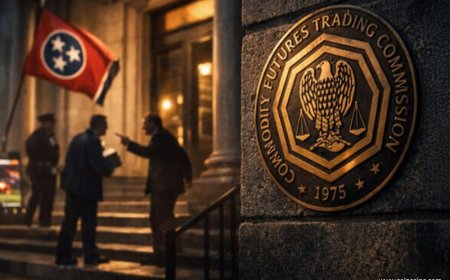
In a closely watched case, Kalshi filed suit against Connecticut’s Department of Consumer Protection after regulators warned that its event-based trading products could violate state gambling statutes. The federal court sided with Kalshi, at least temporarily, halting any enforcement until a full hearing takes place.
This marks a key legal moment for the U.S. prediction market industry, which has long struggled to define the line between regulated derivatives trading and gambling.
Market Context
Kalshi operates under CFTC (Commodity Futures Trading Commission) oversight, offering contracts that pay out based on real-world events such as election outcomes, inflation rates, or economic data releases. The temporary ruling provides breathing room for Kalshi to continue operating across the U.S., even as state-level agencies reassess how prediction markets fit within existing gambling frameworks.
Industry Reaction
Crypto and DeFi communities are watching closely, given the overlap between on-chain prediction markets (like Polymarket and Zeitgeist) and Kalshi’s regulated event contracts. Supporters argue that such markets enhance democratic transparency by aggregating public sentiment, while critics fear they blur ethical and legal lines around “betting” on politics.
Future Outlook
While the temporary injunction doesn’t settle the case, it signals judicial willingness to question whether state gambling laws should apply to federally approved event contracts. A favorable long-term ruling could legitimize prediction markets as a recognized asset class — potentially unlocking new financial products in both TradFi and Web3 sectors.