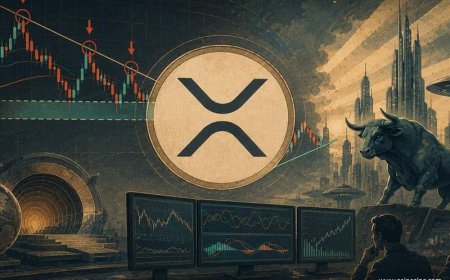
When the Swiss investment manager 21Shares confirmed that its spot XRP ETF will begin trading in the U.S. on December 1, 2025, under the ticker TOXR, many in the crypto world took note. It’s not just another ETF — it’s a sign of growing institutional confidence in XRP as more than a speculative token.
What this ETF brings to the table
- Direct exposure, zero self-custody hassle: TOXR tracks the CME-CF XRP-USD Reference Rate, meaning investors get price exposure without having to manage wallets or private keys.
- Institutional-grade security: The underlying XRP is stored under cold custody with reputed custodians (like Anchorage / BitGo), following the model used by leading Bitcoin/Ethereum ETFs.
- Competitive fee structure: 21Shares disclosed a management fee of 0.50% — attractive enough for long-term investors looking for regulated crypto exposure.
What’s happening behind the scenes
The timing seems more than coincidental. Existing U.S. spot XRP ETFs — from other issuers — have already seen cumulative inflows of over US $660–$666 million in recent weeks. As a result, many analysts are linking the ETF interest to a liquidity squeeze: a large amount of XRP has reportedly left exchange wallets, with a portion likely flowing into vaults and ETFs.
This scarcity — combined with institutional demand — could create firmer fundamentals for XRP, altering price dynamics for months to come.
What this could mean for Indian & Global Investors
For Indian investors (and global crypto participants), this is a noteworthy shift:
- It brings regulated, exchange-listed XRP exposure, which many may find more accessible than self-custody.
- It reduces hurdles such as KYC, cold wallets, staking complexity — ETFs lower the barrier for mainstream adoption.
- With funds drawn into ETFs, token supply on exchanges might shrink — potentially causing tighter liquidity and possible upward pressure on price (if demand holds).
What to watch out for
- Even with ETFs, crypto remains volatile: ETF flows can reverse, and macroeconomic tides might impact demand.
- A 0.50% fee helps, but it's not trivial — over long holding periods, costs can add up compared to direct ownership.
- Regulatory scrutiny remains. As more crypto funds launch in the U.S. and globally, policymakers may continue to tighten rules — which could affect ETF structure or operations.