
Key insights
-
Senate markup timing raises pressure on bipartisan negotiations
-
Core battle centers on DeFi oversight and stablecoin yield limits
-
Ethics concerns and political stakes shape the bill’s path forward
The Senate moved the CLARITY Act back to the center of its agenda as leaders set a markup for next week. The renewed push placed the bill on an accelerated path while lawmakers balanced several competing political deadlines. The effort signaled that the CLARITY Act could advance despite unresolved disputes that still shaped the talks.
Markup Timing Pressures the Senate
The Senate Banking Committee prepared to review the CLARITY Act as members worked through major regulatory questions. The chairman advanced the plan for a January 16 markup, and this forced negotiators to move faster. The timing also narrowed the window for bipartisan agreement because the committee had not released an updated draft.
Lawmakers faced a demanding schedule as they handled spending measures and international issues while keeping the CLARITY Act on the agenda. The January 30 funding deadline intensified the workload because a shutdown would halt legislative progress. The committee therefore sought to finalize its work before broader negotiations overtook the calendar.
Democratic and Republican members continued to raise concerns about ethics rules, DeFi oversight, and limits on yield products, and these shaped the latest discussions. Democrats pushed for guardrails on digital asset activity by government officials because they viewed the issue as central to accountability. Republicans focused on maintaining flexibility for the industry, and this created another obstacle in the path to consensus.
Regulatory Scope Remains the Core Dispute
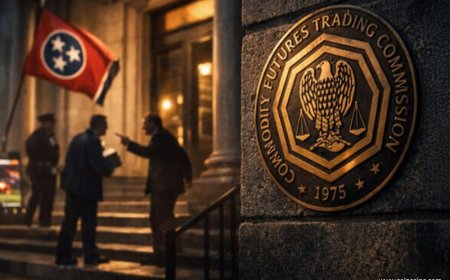
The CLARITY Act aimed to define how federal agencies oversee digital assets, and it positioned the CFTC as the primary spot market regulator. Supporters argued that the bill would reduce uncertainty, and they emphasized the need for a unified framework. Opponents, however, warned that unresolved details on enforcement could weaken the structure.
The debate extended to stablecoins that pay yield because banks argued that these products could function like deposits. Crypto firms countered that such limits would restrict innovation, yet the CLARITY Act still faced intense lobbying from both sides. Several members signaled that the final text must address stablecoin activity clearly and consistently.
Discussions also covered DeFi supervision because senators weighed anti-money-laundering rules and jurisdictional questions. The crypto sector expressed concern that the SEC could gain expanded authority and recreate previous enforcement patterns. The CLARITY Act therefore became a test of how Congress intends to divide regulatory responsibility.
Political Stakes Shape the Path Forward
Ethics concerns surrounding digital asset businesses connected to the Trump family added pressure to the talks. Lawmakers reviewed the scale of the ventures and the potential conflicts created by foreign relationships. These issues influenced Democratic demands for strict standards within the CLARITY Act.
The House already passed its Digital Asset Market Clarity Act in 2025, and this placed additional weight on the Senate. Both chambers must align their bills before sending a final version to the president. The CLARITY Act therefore became essential for completing a unified national framework.
The bill must clear the Senate by April to remain viable in 2026 because elections will compress the legislative calendar. A government shutdown would stall the process, and members acknowledged that failure to act soon could delay regulation again. The CLARITY Act now stands at a decisive moment as the Senate prepares for next week’s markup.