Markets
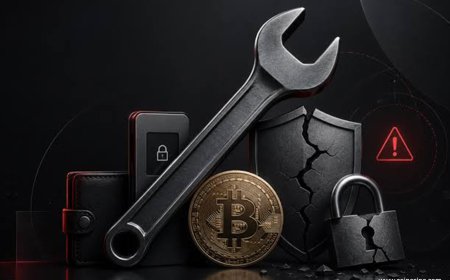
Crypto wrench attacks have stolen more than $30 million in the first half of 2026, highlighting the growing threat of physical violence against cryptocurrency investors.
Crypto 'Wrench Attacks' Top $30 Million in 2026 as Physical
Violence Against Investors Reaches Record Levels
Physical attacks targeting cryptocurrency holders are escalating at an alarming pace, with more than $30 million stolen through "wrench attacks" during the first half of 2026, according to new blockchain security research. Unlike traditional crypto hacks, wrench attacks involve criminals using kidnapping, home invasions, extortion, and physical intimidation to force victims to hand over wallet credentials or authorize crypto transfers.
Security experts warn that this growing trend highlights a new challenge for the crypto industry—protecting investors not only from cyber threats but also from real-world violence.
Physical Crypto Attacks Reach Record Levels
New data shows that violent attacks against cryptocurrency holders are becoming more frequent across several countries.
Key findings include:
- More than $30 million was stolen through documented wrench attacks during the first half of 2026.
- Researchers identified 46 violent crypto-related incidents globally through late June.
- Only 12 attacks resulted in successful crypto transfers, suggesting many victims resisted or authorities intervened.
- France recorded the highest number of publicly known incidents, becoming a major hotspot for crypto-related violent crime.
The attacks range from kidnappings and armed robberies to home invasions designed to obtain private keys or force on-chain transactions.
Why Wrench Attacks Are Increasing
Unlike hacking cryptocurrency exchanges or exploiting smart contracts, wrench attacks target the weakest point in crypto security—the individual investor.
Several factors are contributing to the rise:
- Growing cryptocurrency adoption.
- Public disclosure of crypto wealth on social media.
- Irreversible blockchain transactions.
- Criminal organizations targeting high-net-worth investors.
- Increasing availability of leaked personal data online.
Security analysts note that physical coercion often bypasses even the strongest digital security measures.
Common Attack Methods
| Attack Type | Risk |
|---|---|
| Kidnapping | Victims forced to transfer crypto |
| Home invasion | Criminals seek wallet access |
| Armed robbery | Hardware wallets and recovery phrases targeted |
| Family extortion | Relatives used as leverage |
| Social engineering | Criminals gather personal information before attacks |
Home invasions accounted for 37% of documented incidents, a significant increase compared with previous years.
Security Experts Urge Stronger Operational Security
Recommended Safety Measures
Avoid publicly revealing cryptocurrency holdings.
Store long-term assets in hardware wallets.
Use multisignature wallets for large portfolios.
Separate public identities from wallet ownership.
Enable multi-factor authentication on exchange accounts.
Risks to Monitor
Criminals increasingly research victims through social media.
Family members may also become targets.
Public blockchain activity can reveal high-value wallets.
Physical security is becoming as important as cybersecurity.
Industry Response
Several initiatives are helping improve investor protection.
Law Enforcement Cooperation
Authorities are increasingly partnering with blockchain analytics firms to trace stolen digital assets and identify organized criminal groups.
Enhanced Wallet Security
Hardware wallet manufacturers continue introducing features such as duress PINs, hidden wallets, and multisignature recovery options.
Investor Education
Crypto companies are expanding awareness campaigns focused on operational security (OpSec) and personal safety.
Institutional Custody
Professional custody providers continue attracting institutional investors seeking enhanced physical and digital asset protection.
Risks Investors Should Watch
Crypto holders should remain alert for:
- Suspicious individuals seeking personal information.
- Public exposure of wallet ownership.
- Social media oversharing.
- Fake investment meetings.
- Phishing attacks combined with physical intimidation.
Maintaining privacy is increasingly becoming one of the most effective defenses against targeted attacks.
Bigger Picture: Crypto Security Is Expanding Beyond Cybercrime
The surge in wrench attacks reflects a broader evolution in cryptocurrency crime. While blockchain technology itself remains secure, criminals are increasingly bypassing technical defenses by targeting investors directly.
Major trends include:
- Rising physical attacks against crypto holders.
- Increased collaboration between law enforcement and blockchain analytics firms.
- Greater emphasis on operational security.
- Stronger custody solutions for institutional investors.
- Growing awareness that crypto security includes both digital and personal protection.
As cryptocurrency adoption continues to expand, personal safety is becoming an essential part of responsible digital asset management.
What Investors Should Watch Next
Key developments include:
- New law enforcement initiatives against organized crypto crime.
- Security improvements from hardware wallet providers.
- Blockchain analytics advancements.
- Public awareness campaigns on operational security.
- Regulatory efforts to combat crypto-related violent crime.
Investors who combine strong cybersecurity practices with careful personal security measures will be better positioned to reduce risk.
Final Take
The rise of crypto wrench attacks, with over $30 million stolen during the first half of 2026, demonstrates that the biggest threat to digital assets is not always a sophisticated hack—it can be physical coercion. As criminals increasingly target investors through violence and intimidation, the crypto industry is placing greater emphasis on operational security, privacy, and personal safety alongside traditional cybersecurity measures.