Markets
Fraudsters are exploiting the EU's MiCA crypto regulations by impersonating exchanges and regulators. Learn how to identify scams and protect your digital assets.
Crypto Scammers Exploit MiCA Transition to Target European
Investors With Fake Compliance Schemes
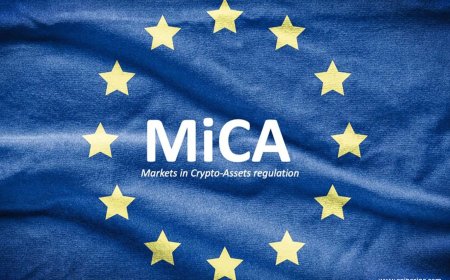
Cybercriminals are taking advantage of the European Union's transition to the Markets in Crypto-Assets (MiCA) regulation by launching sophisticated scams targeting cryptocurrency investors. Fraudsters are impersonating regulated crypto exchanges, financial authorities, and compliance teams, attempting to trick users into transferring their digital assets under the guise of regulatory migration or account verification. Recent warnings from European regulators indicate that these scams have increased following MiCA's July 2026 licensing deadline.
Authorities are urging investors to verify every communication carefully and only use officially authorized crypto service providers.
Fraudsters Exploit Regulatory Confusion
As MiCA reshapes Europe's crypto industry, many exchanges have been required to obtain authorization or cease operations within the European Union.
Scammers are exploiting this transition by:
- Sending fake emails claiming users must "migrate" their crypto assets.
- Impersonating regulators such as ESMA and national financial authorities.
- Creating fake exchange websites requesting wallet transfers.
- Pretending to assist with MiCA compliance or account verification.
- Asking investors to move funds into fraudulent wallets.
These scams rely on creating urgency, convincing users that immediate action is required to avoid losing access to their assets.
Why MiCA Has Become a Target
The implementation of MiCA has created a period of transition across the European crypto market.
Several factors have increased opportunities for scammers:
- Some crypto firms have exited or restructured their EU operations.
- Investors are receiving legitimate migration notices from licensed providers.
- Criminals are mimicking official regulatory communications.
- Many users remain unfamiliar with MiCA requirements.
Security experts warn that regulatory transitions often create ideal conditions for phishing campaigns and impersonation fraud.
Common Scam Techniques
| Scam Method | Warning Sign |
|---|---|
| Fake MiCA migration emails | Urgent requests to transfer funds |
| Regulator impersonation | Uses fake ESMA or financial authority branding |
| Fake exchange support | Requests wallet credentials or recovery phrases |
| Fraudulent websites | Domains that closely resemble legitimate exchanges |
| Pressure tactics | Claims accounts will be frozen unless action is taken |
Security Tips for Crypto Investors
Best Practices
Verify every email through the exchange's official website.
Check whether your crypto provider is listed in the official MiCA register.
Never share your recovery phrase or private keys.
Ignore messages demanding immediate transfers.
Enable multi-factor authentication (MFA) on all crypto accounts.
Risks to Watch
Fraudsters are using official-looking logos and documents.
Fake customer support channels continue to grow.
Social engineering attacks often accompany phishing emails.
Regulatory uncertainty may encourage panic-driven decisions.
How the Industry Is Responding
European regulators and licensed crypto firms are increasing efforts to protect investors.
Official Warnings
Financial regulators across Europe have issued alerts about impersonation scams linked to the MiCA transition.
Licensed Provider Registers
ESMA maintains a register of authorized crypto-asset service providers to help investors verify legitimate firms.
Enhanced Compliance
Licensed exchanges are strengthening identity verification and customer communication procedures to reduce fraud risks.
Investor Education
Crypto companies continue encouraging users to independently verify any request involving wallet transfers or account changes.
Risks Investors Should Monitor
Crypto investors should remain alert for:
- Fake MiCA compliance notifications.
- Impersonation of regulators or exchanges.
- Fraudulent wallet migration requests.
- Phishing emails requesting sensitive information.
- Fake customer support messages on social media.
Remaining cautious during regulatory transitions can significantly reduce the risk of financial loss.
Bigger Picture: Regulation Is Creating New Cybersecurity Challenges
MiCA is designed to improve transparency, consumer protection, and regulatory oversight across the European crypto market. However, periods of regulatory change can also create opportunities for cybercriminals to exploit investor uncertainty.
As the number of licensed crypto firms grows and investor awareness improves, regulators expect these scams to become easier to identify—but vigilance will remain essential.
What Investors Should Watch Next
Key developments include:
- New warnings from European financial regulators.
- Updates to ESMA's authorized provider register.
- Additional phishing campaigns targeting crypto users.
- Exchange security announcements.
- Progress in MiCA implementation across EU member states.
Investors should always verify information through official channels before moving funds or responding to compliance requests.
Final Take
The rollout of the EU's MiCA framework is bringing greater regulatory clarity to the cryptocurrency industry, but it has also created new opportunities for fraudsters. By impersonating regulators and licensed exchanges, scammers are attempting to exploit investor uncertainty during the transition. European authorities stress that users should verify communications carefully, use only authorized crypto service providers, and never transfer funds based solely on unsolicited messages.