US AI Standards Chief Resigns After Three Months, Leaving
Leadership Gap During Critical AI Race
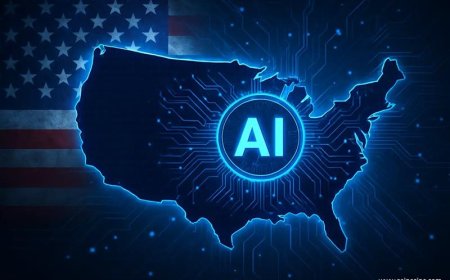
The United States' efforts to shape global artificial intelligence standards have entered a period of uncertainty following the resignation of Chris Fall, Director of the Center for AI Standards and Innovation (CAISI), after serving for only three months. The unexpected departure comes at a pivotal time as governments and technology companies race to establish safety standards and governance frameworks for advanced AI systems.
The leadership transition has drawn attention from policymakers and the global technology industry, as CAISI plays a central role in evaluating frontier AI models and developing technical standards for artificial intelligence.
Leadership Change Comes at a Critical Moment
According to the U.S. Department of Commerce, Chris Fall stepped down from his role without a public explanation.
Following his departure:
- Dr. Arvind Raman, Director of the National Institute of Standards and Technology (NIST), has been appointed Acting Director of CAISI.
- The Commerce Department has begun searching for a permanent replacement.
- AI policy and safety initiatives will continue under interim leadership.
The transition comes as AI regulation and model evaluation have become increasingly important for governments and technology companies worldwide.
Why This Matters for the Global AI Industry
CAISI serves as one of the U.S. government's primary organizations responsible for evaluating advanced AI systems and developing technical standards.
Its work includes:
- Assessing frontier AI models.
- Developing AI safety benchmarks.
- Supporting AI governance frameworks.
- Collaborating with leading AI developers on model evaluations.
Because many global AI companies participate in these evaluations, leadership changes at the agency are being closely watched across the technology sector.
Key Developments
| Development | Importance |
|---|---|
| Chris Fall resigns | Leadership transition at CAISI |
| Arvind Raman appointed acting director | Maintains operational continuity |
| Permanent search begins | Future AI policy direction remains under review |
| AI standards work continues | Industry evaluations expected to proceed |
The appointment of an interim director is intended to ensure that ongoing AI safety initiatives continue while a permanent leader is selected.
Why Investors and Tech Companies Are Watching
Positive Signals
Interim leadership has already been established.
AI safety evaluations are expected to continue.
The U.S. remains committed to developing AI standards.
Demand for trustworthy AI governance continues growing.
Challenges Ahead
Leadership transitions may temporarily slow policy initiatives.
Companies are awaiting greater clarity on future AI standards.
International competition in AI governance continues intensifying.
Regulatory frameworks remain under active development.
What Could Shape the Next Phase of AI Governance?
Several factors are likely to influence the future direction of U.S. AI policy.
Permanent Leadership Appointment
The selection of a new CAISI director will likely help define the agency's long-term priorities.
Frontier AI Development
Rapid advances in generative AI continue increasing demand for standardized testing and evaluation.
International Cooperation
Governments worldwide are working to establish common AI safety principles and technical standards.
Enterprise AI Adoption
Businesses continue accelerating AI deployment, increasing the importance of trusted governance frameworks.
Risks to Monitor
Although CAISI's work continues, observers will be watching:
- Appointment of a permanent director.
- Future U.S. AI policy announcements.
- International AI regulatory developments.
- Collaboration between governments and AI developers.
- Evolution of AI safety testing standards.
Leadership stability will remain an important factor as AI regulation evolves.
Bigger Picture: AI Standards Are Becoming a Global Priority
The resignation highlights how rapidly AI governance is evolving worldwide.
Major industry trends include:
- Expansion of AI safety testing.
- Development of technical standards for frontier AI models.
- Increased government oversight.
- Growing collaboration between regulators and technology companies.
- Rising international competition in AI innovation.
As artificial intelligence becomes increasingly integrated into critical industries, establishing trusted standards is expected to remain a major global priority.
What Investors Should Watch Next
The coming weeks may provide additional clarity.
Key developments include:
- Announcement of a permanent CAISI director.
- New U.S. AI governance initiatives.
- Updates to AI safety standards.
- Policy changes affecting major AI developers.
- International cooperation on AI regulation.
Future leadership decisions could shape the direction of U.S. AI policy and influence global AI governance efforts.
Final Take
The resignation of Chris Fall after just three months as head of the Center for AI Standards and Innovation marks an unexpected leadership change at a crucial time for artificial intelligence governance. While Dr. Arvind Raman has assumed the role on an interim basis, the search for a permanent director comes as governments and technology companies continue working to establish standards for increasingly powerful AI systems.
Although the transition introduces short-term uncertainty, the broader effort to develop reliable AI standards and safety frameworks remains a central priority for the United States and the global technology industry.