IMF Warns Tokenization Risks Could Impact Financial Stability
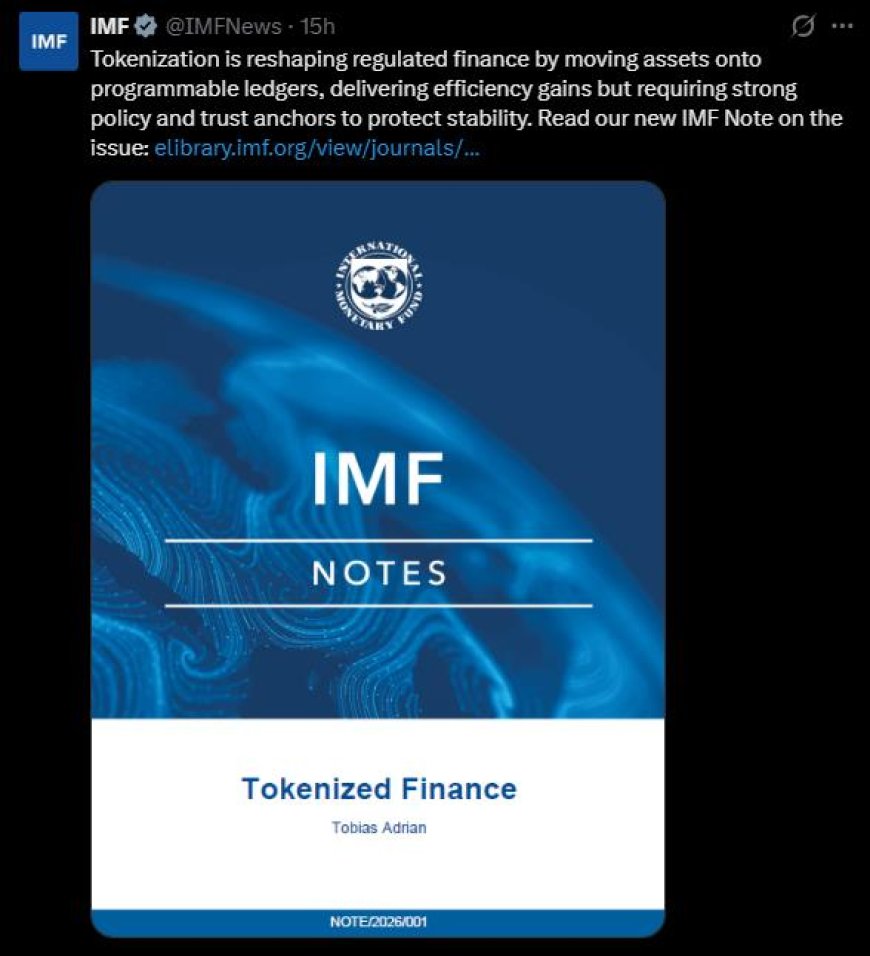
The International Monetary Fund (IMF) has highlighted that tokenization is transforming global finance by improving efficiency and transparency. However, the organization also cautioned that tokenization risks could pose challenges to overall financial stability.
In its recent report, the IMF stated that while tokenization enables faster and more transparent financial transactions, its overall impact remains uncertain. Advanced features like atomic settlement reduce traditional risks, but increased automation and speed may introduce new vulnerabilities.
Tokenization Efficiency vs Financial Stability Risks
Tokenization is rapidly reshaping how financial assets are issued, traded, and managed. By leveraging blockchain technology, it eliminates intermediaries and enhances operational efficiency.
Despite these benefits, the IMF warned that financial stability tokenization risks arise as traditional safeguards are replaced by shared ledgers and smart contracts. During market stress, tokenized systems could react faster than conventional markets, leaving little room for intervention.
Growing Tokenized Assets Market
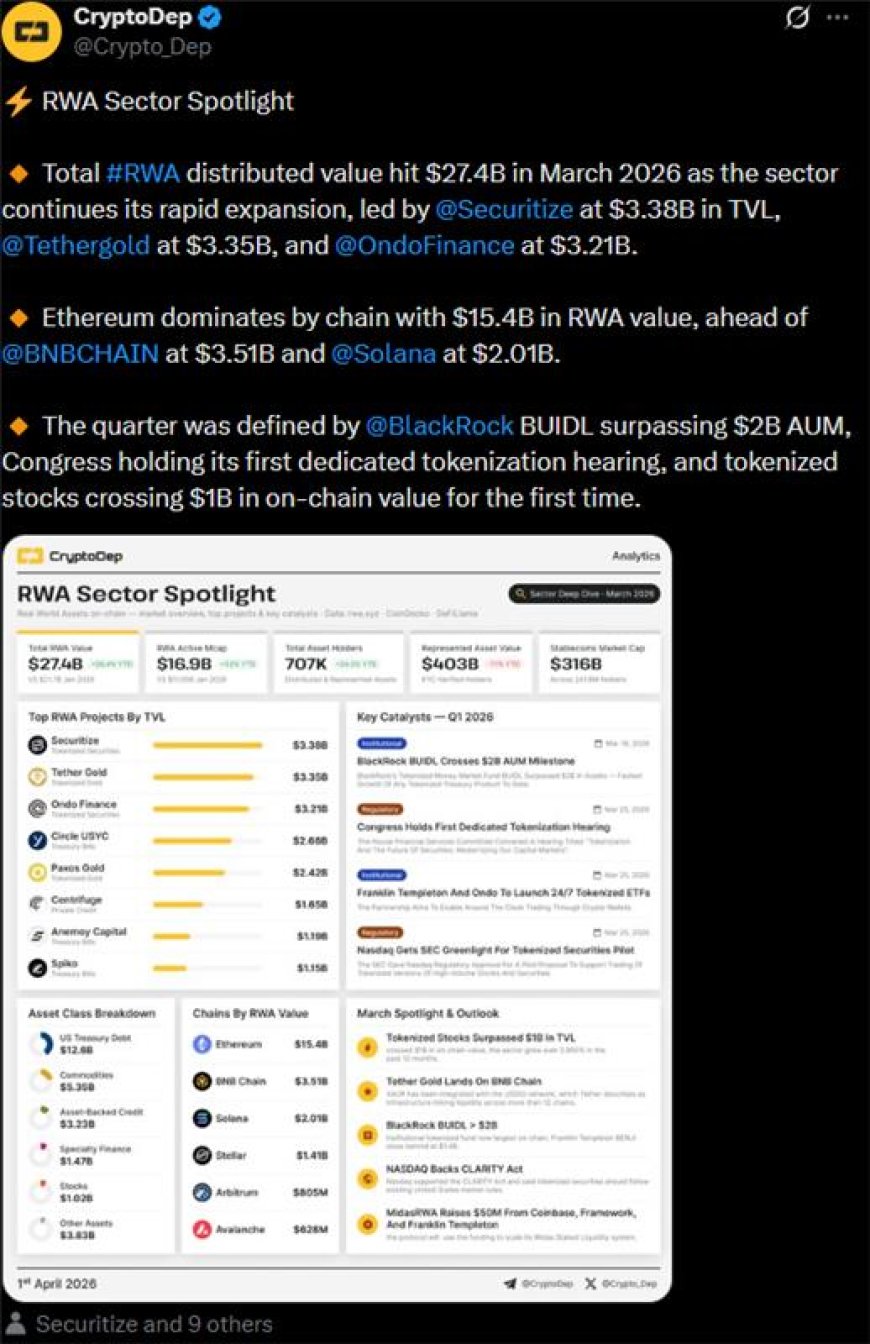
The tokenized assets market has already crossed $27.6 billion in real-world assets (excluding stablecoins), showing strong adoption. Industry projections vary significantly:
- Boston Consulting Group estimates the market could reach $16 trillion by 2030
- McKinsey forecasts a more conservative $2 trillion growth
This rapid expansion highlights both the potential and the scale of tokenization risks IMF analysts are concerned about.
Cross-Border Payments and Financial Inclusion Benefits
The IMF acknowledged that tokenization can significantly improve cross-border payments tokenization efficiency, especially in emerging markets.
Key benefits include:
- Faster international transactions
- Lower transaction costs
- Enhanced financial inclusion tokenization opportunities
However, these advantages come with risks such as volatile capital flows and rapid currency substitution, which may weaken national monetary control.
Wall Street Pushes Blockchain Tokenization
Major financial institutions are actively supporting blockchain tokenization. Leaders like BlackRock CEO Larry Fink have advocated for tokenizing traditional assets, including stocks, bonds, and real estate.
Source: https://x.com/Crypto_Dep/status/2039341200625352882
Top projects in the RWA tokenization space include:
- Securitize leading with over $3.3 billion in value
- Tether Gold and Ondo Finance following closely
Additionally, Intercontinental Exchange plans to launch a tokenization platform enabling 24/7 trading and instant settlement of financial instruments.
Legal and Regulatory Challenges in Tokenization
One of the biggest concerns remains legal clarity. The IMF emphasized that unclear ownership rights and settlement rules could lead to fragmented markets.
To address this, the crypto industry is developing standards like ERC-3643, which ensures compliance by restricting access to verified investors. Platforms such as Coinbase Asset Management are already adopting these frameworks for tokenized financial products.
Conclusion
Tokenization is set to redefine global finance by improving efficiency, transparency, and accessibility. However, IMF tokenization risks highlight the importance of balancing innovation with regulation.
As adoption grows, ensuring financial stability tokenization frameworks will be critical to unlocking its full potential without compromising economic systems.
Source : https://cointelegraph.com/news/imf-tokenization-improves-finance-but-introduces-other-risks
Disclaimer
Coinccino is provided on an “as is” basis without warranties of any kind. Always conduct your own research before making crypto or financial decisions. Users are responsible for any associated risks.