Introduction to Blockchain Technology
Blockchain explained in the simplest way: it is a revolutionary system that is changing how digital data is stored, verified, and shared. In 2026, blockchain is no longer just a buzzword—it’s a core technology powering finance, gaming, healthcare, and even governments.
At its heart, blockchain offers a secure, transparent, and decentralized way to manage information without relying on a central authority. This makes it one of the most important innovations in today’s digital world.
Why Blockchain Is Trending in 2026
Blockchain is gaining massive attention because it solves key problems like fraud, data manipulation, and lack of transparency. With the rise of Web3, decentralized finance (DeFi), and digital ownership, blockchain has become the backbone of the internet’s next evolution.
What is Blockchain Technology?
Blockchain Explained in Simple Terms
A blockchain is a digital ledger that records transactions across multiple computers. Instead of being stored in one place, the data is distributed across a network.
Each piece of data is stored in a “block,” and these blocks are connected in a chain. Once added, the information cannot be changed easily, making it highly secure and trustworthy.
Understanding Blocks and Chains
- Block: A collection of transaction data
- Chain: A sequence of blocks linked together
- Hash: A unique digital fingerprint for each block
This structure ensures that even a tiny change in data breaks the entire chain, preventing tampering.
How Blockchain Works
Step-by-Step Process of Blockchain
Let’s break down how blockchain works in a beginner-friendly way:
- A user requests a transaction
- The transaction is sent to a network of computers (nodes)
- Nodes verify the transaction using algorithms
- Verified transactions are grouped into a block
- The block is added to the chain permanently
This process ensures trust without needing a central authority.
Role of Nodes and Consensus
Nodes are computers that maintain the blockchain network. They work together using consensus mechanisms like Proof of Work (PoW) or Proof of Stake (PoS) to validate transactions.
Key Features of Blockchain
Decentralization
No single authority controls the system. This reduces risks like corruption and system failure.
Transparency
All transactions are visible to participants, increasing accountability.
Security
Blockchain uses cryptography to secure data, making it extremely hard to hack.
Immutability
Once data is recorded, it cannot be altered. This ensures permanent and reliable records.
Types of Blockchain
Public Blockchain
- Open to everyone
- Fully decentralized
- Example: Cryptocurrencies
Private Blockchain
- Controlled by a single organization
- Faster but less decentralized
Consortium Blockchain
- Managed by multiple organizations
- Common in enterprise systems
Blockchain vs Traditional Systems
Key Differences Explained
| Feature | Blockchain | Traditional Systems |
|---|---|---|
| Control | Decentralized | Centralized |
| Transparency | High | Low |
| Security | Strong | Moderate |
| Speed | Moderate | Fast |
| Trust | Built-in | Requires intermediaries |
Blockchain eliminates the need for middlemen, reducing costs and increasing efficiency.
Real-World Use Cases of Blockchain
Finance and Banking
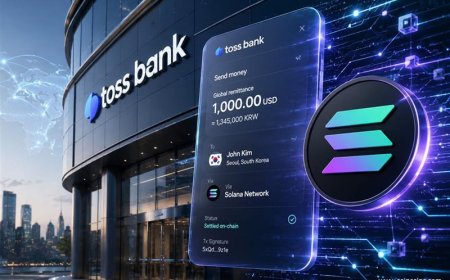
Blockchain enables faster and cheaper cross-border payments. It removes intermediaries, making transactions more efficient.
Supply Chain
Companies use blockchain to track products from origin to delivery, ensuring authenticity and reducing fraud.
Healthcare
Blockchain helps securely store patient records, improving privacy and data sharing.
Voting Systems
It ensures transparent and tamper-proof elections.
NFTs and Gaming
Blockchain allows true digital ownership of assets, transforming gaming and digital art industries.
Benefits of Blockchain Technology
- Increased security
- Improved transparency
- Reduced costs
- Faster transactions
- Enhanced trust
Blockchain is especially valuable in industries where trust and verification are critical.
Challenges and Limitations
Despite its advantages, blockchain also faces challenges:
- Scalability issues
- High energy consumption
- Regulatory uncertainty
- Technical complexity
However, new innovations are solving these problems rapidly.
Blockchain and Web3 Revolution
Web3 represents a decentralized internet powered by blockchain. Instead of relying on big tech companies, users have control over their data and digital assets.
Blockchain is the foundation of Web3, enabling:
- Decentralized apps (dApps)
- Smart contracts
- Digital identity systems
Future of Blockchain in 2026 and Beyond
Blockchain is expected to grow exponentially in the coming years. Governments, startups, and enterprises are investing heavily in this technology.
Future trends include:
- Integration with AI
- Green blockchain solutions
- Expansion of DeFi
- Adoption in education and real estate
Understanding blockchain today gives you a strong advantage in the digital economy.
How to Get Started with Blockchain
If you're a beginner, here’s how to start:
- Learn basic concepts
- Explore blockchain platforms
- Understand cryptocurrencies
- Try using digital wallets
- Take online courses
You can explore beginner-friendly resources on platforms like
???? https://ethereum.org/en/learn/
FAQs About Blockchain Explained
1. What is blockchain in simple words?
Blockchain is a digital system that records transactions securely across multiple computers.
2. Is blockchain only used for cryptocurrency?
No, it’s also used in healthcare, supply chain, voting, and more.
3. Why is blockchain secure?
Because it uses cryptography and decentralized validation.
4. Can blockchain be hacked?
It’s extremely difficult due to its distributed nature.
5. What is decentralization?
It means no single authority controls the system.
6. Is blockchain the future?
Yes, it’s a key technology for Web3 and digital transformation.
Conclusion
Blockchain explained clearly shows that it’s more than just a technology—it’s a transformation in how we handle data, trust, and digital interactions. From finance to healthcare, blockchain is reshaping industries and opening new opportunities.
As we move further into 2026 and beyond, learning blockchain basics is not just useful—it’s essential. Whether you're a beginner or a tech enthusiast, understanding blockchain can unlock countless possibilities in the future digital world.
Disclaimer
Coinccino is provided on an "as is" basis and without any warranty whatsoever. We and our affiliates disclaim all warranties, express or implied, including merchantability, fitness for a particular purpose, and non-infringement. You are solely responsible for any damage, loss, or issues arising from the use of this information.