Fed’s Kevin Warsh Says Inflation Is Still Too High — What It
Means for Bitcoin and Crypto
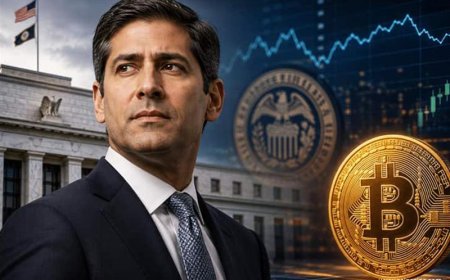
Bitcoin and the broader cryptocurrency market are back in the spotlight after Federal Reserve Chair Kevin Warsh signaled that inflation remains too high and that interest rates may need to stay elevated for longer.
His latest comments reinforced the Federal Reserve’s commitment to fighting inflation, a stance that immediately caught the attention of investors across stocks, bonds, and digital assets.
For crypto markets, the message was clear: higher interest rates could continue influencing risk assets in the months ahead.
What Did Kevin Warsh Say?
Speaking about the U.S. economy, Warsh emphasized that inflation has not yet returned to the Federal Reserve's long-term target.
According to his remarks:
- Inflation remains above desired levels.
- The Fed is committed to restoring price stability.
- Interest rates may stay higher until inflation shows sustained improvement.
- Monetary policy decisions will continue to depend on incoming economic data.
The comments suggest that policymakers are not yet ready to declare victory over inflation.
Why Higher Interest Rates Matter for Crypto
Cryptocurrencies are highly sensitive to changes in monetary policy.
When interest rates remain high:
- Investors often shift toward lower-risk assets.
- Borrowing becomes more expensive.
- Market liquidity tightens.
- Speculative investments can face additional pressure.
This doesn't automatically mean crypto prices will fall, but it can reduce short-term buying momentum.
Bitcoin's Immediate Reaction
Following the Fed's hawkish tone, Bitcoin remained cautious as traders assessed the potential impact of prolonged higher interest rates.
Market participants are watching several factors:
- Bitcoin's ability to hold key support levels
- Institutional investment flows
- ETF demand
- Upcoming U.S. inflation reports
Although volatility increased, many analysts noted that the broader long-term trend remains intact.
Market Insight: Why Investors Aren't Panicking
Despite concerns about interest rates, many investors continue to see reasons for optimism.
Bullish Factors
Institutional demand for Bitcoin remains strong.
Spot Bitcoin ETFs continue expanding mainstream access.
Long-term adoption continues globally.
Blockchain innovation remains active.
Bearish Factors
Higher rates could limit liquidity.
Inflation remains persistent.
Risk appetite may weaken if economic conditions deteriorate.
Macro uncertainty continues influencing financial markets.
For now, crypto investors appear to be balancing short-term caution with long-term optimism.
How Fed Policy Affects Different Markets
| Asset | Potential Impact |
|---|---|
| Bitcoin | Sensitive to liquidity and investor sentiment |
| Ethereum | Influenced by broader risk appetite |
| Stocks | Higher rates may pressure growth sectors |
| Bonds | Rising yields become more attractive |
| U.S. Dollar | Often strengthens under tighter monetary policy |
The Federal Reserve's decisions continue shaping investment strategies across all asset classes.
Could Crypto Still Rally?
Yes—but the path may depend on future economic data.
Potential bullish catalysts include:
- Inflation slowing faster than expected
- Signals of future rate cuts
- Continued institutional crypto adoption
- Strong ETF inflows
- Improving global economic conditions
If these factors align, crypto markets could regain momentum despite today's cautious outlook.
Risks Investors Should Watch
Several uncertainties remain:
- Upcoming inflation reports
- Federal Reserve policy meetings
- Employment data
- Geopolitical developments
- Market liquidity conditions
These events could trigger increased volatility across digital assets.
Bigger Picture
The relationship between crypto and macroeconomics has never been stronger.
Bitcoin is no longer driven solely by blockchain news. Today, inflation, interest rates, and central bank decisions play a major role in shaping investor sentiment.
As institutional participation grows, cryptocurrencies are becoming increasingly integrated into the global financial system.
What Investors Should Watch Next
Keep an eye on:
- The next Federal Reserve meeting
- U.S. CPI and PCE inflation data
- Bitcoin ETF inflows
- Treasury yield movements
- Overall crypto market sentiment
These indicators will help determine whether Bitcoin can resume its upward trend.
Final Take
Kevin Warsh's latest comments reinforce one important message: the fight against inflation isn't over.
For crypto investors, that means monetary policy will likely remain one of the biggest market drivers in 2026. While higher interest rates may create short-term headwinds, Bitcoin's long-term adoption story continues to attract institutional and retail investors alike.
The coming months will depend on whether inflation cools enough to allow the Federal Reserve to eventually ease its policy stance.