Bitcoin Slips as Strait Closure Fuels Global Uncertainty and
Risk-Off Sentiment
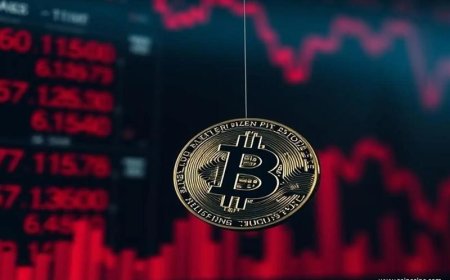
Bitcoin (BTC) has come under renewed selling pressure as geopolitical tensions surrounding the Strait of Hormuz weigh on global financial markets. The strategic maritime route, through which nearly one-fifth of the world's oil supply passes, has become the center of heightened uncertainty, prompting investors to reduce exposure to risk assets—including cryptocurrencies.
While Bitcoin remains resilient over the long term, the latest macro developments highlight how global geopolitical events can temporarily influence crypto market sentiment.
Bitcoin Pulls Back as Risk Appetite Weakens
Following recent gains, Bitcoin has retraced as investors reacted to renewed concerns over energy markets and inflation.
According to the latest market outlook:
- BTC faced selling pressure after geopolitical tensions intensified.
- Rising oil prices have increased inflation concerns.
- Investors shifted toward traditional safe-haven assets.
- Crypto markets experienced broader volatility alongside global equities.
Although the correction has pressured short-term momentum, Bitcoin continues to trade within its broader long-term market structure.
Why the Strait of Hormuz Matters for Bitcoin
The Strait of Hormuz is one of the world's most important energy shipping routes.
When uncertainty disrupts the passage:
- Oil prices tend to rise.
- Inflation expectations increase.
- Central banks may be less likely to cut interest rates.
- Investors often reduce exposure to higher-risk assets such as cryptocurrencies.
As a result, Bitcoin frequently reacts alongside other risk-sensitive markets during periods of geopolitical stress.
Key Bitcoin Levels to Watch
| Level | Importance |
|---|---|
| Immediate Resistance | First recovery barrier |
| Major Resistance Zone | Confirms renewed bullish momentum |
| Current Support | Buyers are defending this area |
| Lower Support Zone | Critical if macro pressure intensifies |
A recovery in global risk sentiment could help Bitcoin regain upward momentum.
Market Indicators Show Mixed Sentiment
Bullish Signals
Long-term institutional adoption remains intact.
Spot Bitcoin ETF demand continues supporting the market.
Corporate treasury interest remains strong.
Long-term holders continue accumulating Bitcoin.
Bearish Risks
Geopolitical tensions remain elevated.
Rising oil prices could delay monetary easing.
Increased volatility may trigger short-term profit-taking.
Global macro uncertainty continues influencing investor sentiment.
The current environment suggests macroeconomic developments may remain a key driver of Bitcoin's short-term price action.
Catalysts That Could Support Bitcoin's Recovery
Several developments could improve sentiment in the coming weeks.
Easing Geopolitical Tensions
Any reduction in Middle East tensions could restore confidence across financial markets.
Stable Oil Prices
Lower energy prices may ease inflation concerns and improve conditions for risk assets.
Institutional Investment
Continued inflows into spot Bitcoin ETFs could provide additional support.
Favorable Macroeconomic Data
Signs of slowing inflation or improved economic conditions could strengthen demand for Bitcoin.
Risks Investors Should Monitor
Although Bitcoin's long-term outlook remains constructive, investors should continue watching:
- Developments surrounding the Strait of Hormuz.
- Global oil price movements.
- Central bank policy decisions.
- Inflation data releases.
- Overall risk sentiment across financial markets.
Periods of geopolitical uncertainty can increase short-term volatility across crypto markets.
Bigger Picture: Bitcoin Remains a Global Macro Asset
Bitcoin increasingly responds to major macroeconomic and geopolitical events alongside traditional financial markets.
Long-term structural drivers remain supportive:
- Growing institutional ownership.
- Expanding spot ETF adoption.
- Limited Bitcoin supply.
- Rising corporate treasury allocations.
- Increasing global adoption of digital assets.
These factors continue reinforcing Bitcoin's long-term investment thesis despite short-term market fluctuations.
What Investors Should Watch Next
The coming days could be important for Bitcoin's direction.
Key indicators include:
- Headlines surrounding the Strait of Hormuz.
- Oil price movements.
- U.S. inflation and economic reports.
- Spot Bitcoin ETF inflow data.
- Overall crypto market sentiment.
Any improvement in macro conditions could help Bitcoin regain bullish momentum.
Final Take
Bitcoin's latest pullback highlights the growing influence of global geopolitical developments on digital asset markets. Concerns surrounding the Strait of Hormuz have contributed to a broader risk-off environment, temporarily weighing on Bitcoin alongside other financial assets.
While short-term volatility may persist as investors assess geopolitical risks, Bitcoin's long-term fundamentals—including institutional adoption, ETF demand, and limited supply—remain intact. As global markets stabilize, traders will be watching closely to see whether BTC can resume its broader upward trend.