Bitcoin Holds Steady Despite New U.S. Import Tariffs as
Investors Show Market Resilience
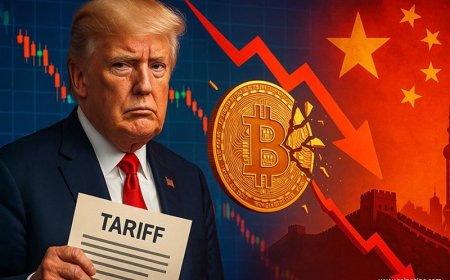
Bitcoin (BTC) has remained resilient despite the introduction of new U.S. import tariffs, signaling growing confidence among investors even as global trade tensions intensify. While tariff announcements have historically triggered volatility across financial markets, Bitcoin has largely held its ground, reinforcing its reputation as a maturing digital asset capable of weathering macroeconomic uncertainty.
The market's reaction suggests that investors are increasingly focusing on long-term fundamentals, institutional adoption, and liquidity rather than short-term geopolitical headlines.
Bitcoin Stays Firm as Trade Tensions Escalate
The latest U.S. tariff measures have renewed concerns about inflation, global trade, and economic growth. Despite these developments, Bitcoin has continued trading near key technical support levels.
According to recent market observations:
- Bitcoin has maintained stability despite tariff-related uncertainty.
- Traditional financial markets experienced mixed reactions.
- Investors continue monitoring inflation and Federal Reserve policy.
- Institutional participation remains a supportive factor for BTC.
Unlike previous periods of heightened geopolitical risk, Bitcoin has avoided a significant sell-off, suggesting stronger investor confidence.
Why Tariffs Matter for Bitcoin
Import tariffs can influence cryptocurrency markets by affecting broader economic conditions.
Higher tariffs may:
- Increase inflationary pressure.
- Impact global supply chains.
- Influence central bank interest-rate decisions.
- Shift investor sentiment toward or away from risk assets.
Despite these potential headwinds, Bitcoin's recent price stability indicates that investors may increasingly view the asset as a long-term portfolio allocation rather than a purely speculative investment.
Key Bitcoin Levels to Watch
| Level | Importance |
|---|---|
| Immediate Resistance | First bullish breakout confirmation |
| Major Resistance Zone | Signals continued upside momentum |
| Current Support | Buyers continue defending |
| Lower Support Zone | Critical if macroeconomic pressure increases |
Maintaining support while broader markets remain volatile would strengthen Bitcoin's technical outlook.
Market Sentiment Remains Constructive
Bullish Signals
Bitcoin continues holding above key support.
Institutional demand remains active.
ETF participation continues supporting long-term accumulation.
Investors appear less reactive to geopolitical headlines than in previous cycles.
Bearish Risks
Escalating trade tensions could pressure global markets.
Inflation concerns may affect monetary policy expectations.
Higher market volatility could return if macroeconomic conditions deteriorate.
Risk assets remain sensitive to economic data releases.
Although uncertainty remains, Bitcoin has demonstrated greater resilience compared with earlier market cycles.
Catalysts That Could Support Bitcoin
Several developments may strengthen Bitcoin's outlook.
Institutional Adoption
Continued participation from asset managers and corporations remains a key long-term driver.
Spot Bitcoin ETF Demand
Ongoing ETF inflows continue supporting market liquidity.
Improving Market Confidence
Resilient price action during periods of macro uncertainty may encourage additional investor participation.
Digital Asset Adoption
Growing acceptance of Bitcoin among financial institutions continues expanding its role within global finance.
Risks Investors Should Monitor
Although Bitcoin remains stable, investors should continue monitoring:
- Future U.S. trade policy announcements.
- Inflation data.
- Federal Reserve interest-rate decisions.
- Spot Bitcoin ETF inflows.
- Overall global market sentiment.
Macroeconomic developments remain one of the primary drivers of short-term cryptocurrency volatility.
Bigger Picture: Bitcoin Continues Maturing as a Global Asset
Bitcoin's resilience during periods of economic uncertainty reflects its growing maturity within the global financial system.
Major long-term trends include:
- Expanding institutional ownership.
- Growth of regulated Bitcoin investment products.
- Increasing corporate treasury adoption.
- Greater integration into traditional financial markets.
- Rising recognition as a strategic digital asset.
These structural developments continue supporting Bitcoin's long-term investment narrative despite short-term macroeconomic challenges.
What Investors Should Watch Next
The coming weeks could provide greater clarity.
Key indicators include:
- Bitcoin's reaction near resistance levels.
- U.S. inflation and employment data.
- Federal Reserve policy signals.
- Spot Bitcoin ETF activity.
- Developments in global trade negotiations.
If Bitcoin continues outperforming during periods of macroeconomic uncertainty, investor confidence could strengthen further.
Final Take
Bitcoin's ability to remain stable despite new U.S. import tariffs highlights the cryptocurrency's growing resilience as global markets navigate rising geopolitical and economic uncertainty. While tariffs may continue influencing inflation expectations and broader financial markets, Bitcoin's recent performance suggests that long-term investors remain focused on institutional adoption, ETF demand, and the asset's broader role within the evolving financial landscape.
As macroeconomic conditions continue to evolve, Bitcoin's performance during periods of heightened uncertainty will remain an important indicator of its maturation as a global digital asset.